Many outdoors-men organize scouting trips into the woods while preparing for the hunting season. They search for good camp spots, explore trails, and look for the tracks and signs of animals that may be hunted later in the year. It is a great way to become familiar with the terrain and understand how wildlife moves through the area.
But scouting trips offer another opportunity that is sometimes overlooked: learning about the wild edibles and herbs growing around us.
Knowing how to identify wild plants and forage responsibly can provide nutritional, practical, and survival benefits. The natural world around us can offer an incredible variety of edible plants and traditional medicinal herbs. Many plants that we normally dismiss as “weeds” can actually be nutritious and useful.
Why You Should Know Wild Edibles
Nutritional Value
Wild plants can be excellent sources of vitamins, minerals, fiber, and other beneficial plant compounds. Depending on the species and growing conditions, some wild greens can be particularly nutritious.
Learning to recognize these plants gives you another source of fresh food and helps you appreciate what is growing naturally around you.
Natural First Aid and Traditional Herbal Uses
Many herbs have a long history of traditional use for minor ailments. Some contain compounds with anti-inflammatory, antimicrobial, digestive, or soothing properties.
Knowing the plants in your area can give you a better understanding of traditional herbal remedies and their place in natural first aid. However, wild plants should never be considered a substitute for professional medical treatment when that is needed.
Zero Cost and Self-Sufficiency
Foraging can reduce your dependence on commercially purchased foods and help develop self-reliance. In an emergency or survival situation, knowing how to recognize safe edible plants can become an important skill.
Even outside of an emergency, being able to walk through the woods and recognize plants that can be used for food or tea is a rewarding skill to have.
A Deeper Connection with Nature
Searching for wild plants forces you to slow down and pay attention.
You begin noticing changes in vegetation with the seasons, where particular plants prefer to grow, when they flower, and how the landscape changes throughout the year. In the process, you develop a much deeper understanding of the ecosystem around you.
Food from the Wild
Wild plants can provide an alternative to cultivated produce and allow us to experience flavors and aromas that are often completely different from what we find in a supermarket.
But “natural” does not automatically mean “safe.” Correct identification and responsible harvesting are essential.
The 100% Identification Rule
If you are even slightly unsure about a plant’s identity, do not eat it.
Some edible plants have poisonous look-alike, and confusing the two can have serious or even fatal consequences. Learn to identify a plant using several characteristics—not simply its flower, leaf shape, or smell—and use a reliable field guide or other trusted botanical reference.
When in doubt, leave it alone.
Avoid Polluted Areas
Never collect plants beside busy roads, industrial areas, polluted waterways, recently sprayed agricultural fields, or places where large numbers of dogs are walked.
Plants can be exposed to pollutants, pesticides, heavy metals, and other contaminants from their surroundings.
Choose clean, uncontaminated areas and make sure you are legally permitted to harvest there.
Be Aware of Oxalate
Some edible wild greens, including plants such as sorrel and purslane, contain oxalate. For most people, these compounds are not necessarily a problem when the plants are consumed appropriately, but people who are prone to certain types of kidney stones may need to limit high-oxalate foods.
Cooking can reduce soluble oxalate in some plants, especially when the cooking water is discarded.
As with any wild food, learn about the particular plant before consuming it in significant quantities.
Three Common Herbs to Learn
There are many different plants that can be foraged in Greece. However, I want to focus on three herbs that are particularly familiar in the Mediterranean region and relatively easy to recognize once you learn their characteristics:
Mountain tea, thyme, and lemon balm (Melissa officinalis).They all belong to the mint (Lamiaceae) family and have been backed by centuries of traditional use and modern scientific validation.
Mountain Tea (Siderite)
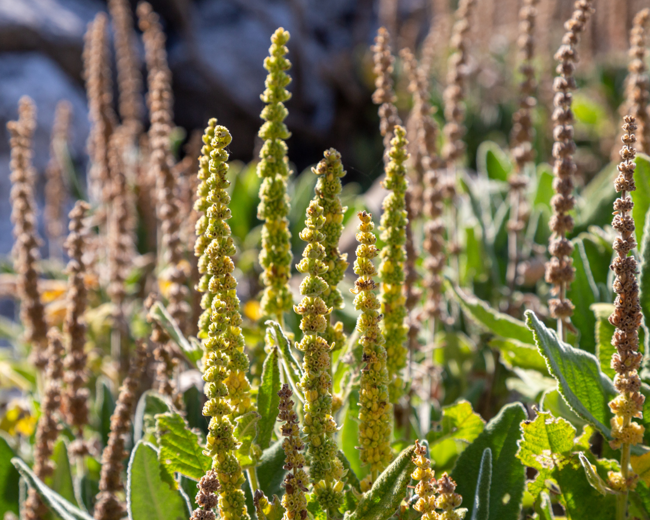
Known locally in Greece as “mountain tea” or “Shepherd’s Tea,” this herb grows wild at high altitudes (usually above 900–1,000 meters).
Key Profile
Mountain tea has a pleasant earthy and floral aroma with slightly citrus-like notes. One of its great advantages for those who enjoy herbal teas is that it is naturally caffeine-free.
Traditional Uses and Potential Benefits
Mountain tea has been traditionally used in Greece for generations, particularly as a warm drink during the colder months.
Research into Siderite species has identified numerous flavonoids and other antioxidant compounds. Studies have investigated their potential anti-inflammatory, antioxidant, antimicrobial, and neuroprotective properties.
It is traditionally consumed for:
- Colds and respiratory discomfort
- Coughs and sore throats
- Indigestion and digestive discomfort
- General relaxation and well-being
There has also been scientific interest in extracts of certain Siderite species for memory and cognitive function, although this research should not be interpreted as proof that mountain tea can prevent or treat dementia or other neurological diseases.
You can read more about the mountain tea in the article here,https://www.scrambleroutdoors.com/greek-mountain-tea/
Thyme (Thymus vulgaris)
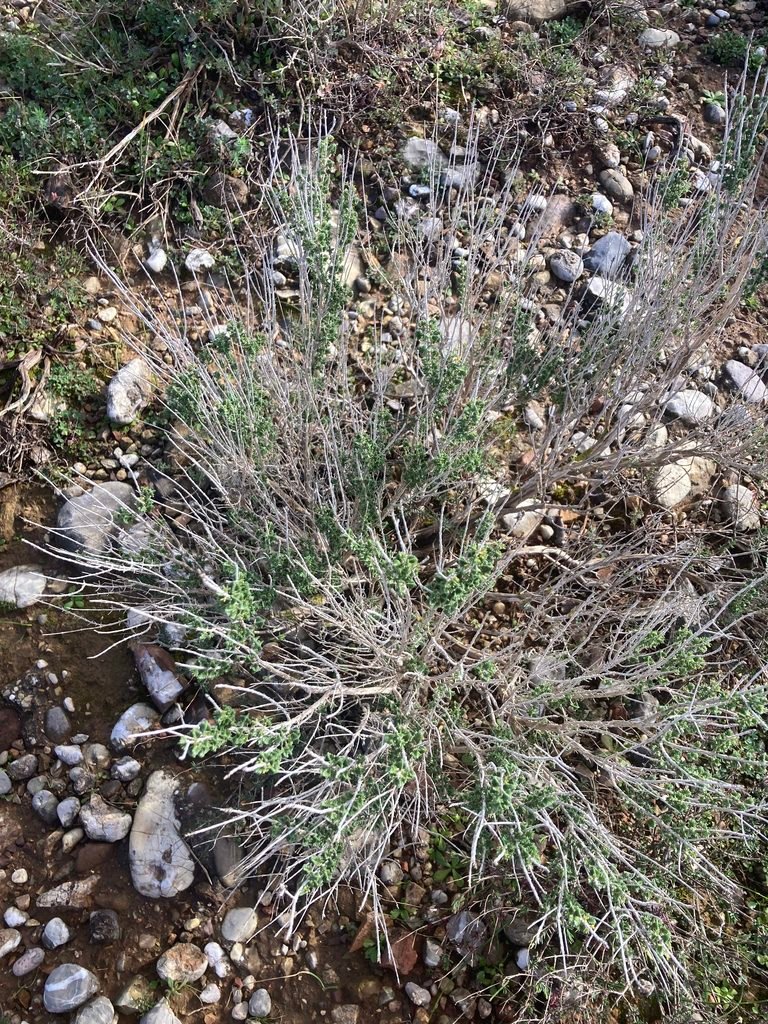
Thyme is one of the classic herbs of the Mediterranean. It is a hardy, sun-loving plant that can be found growing among rocky hillsides, dry slopes, and other areas with plenty of sunlight.
Its strong aroma can often give it away before you even see it.
Key Profile
Thyme has a pungent, earthy, slightly peppery aroma. One of its best-known compounds is thymol, an essential-oil component that has demonstrated antimicrobial properties in laboratory research.
Traditional Uses and Potential Benefits
Thyme has been used traditionally for respiratory and digestive complaints for centuries.
Thyme tea is commonly used as a soothing drink during colds and coughs. Preparations containing thyme have also been studied for their effects on cough symptoms and mucus.
Traditionally, thyme has also been used:
- As a warm herbal tea for coughs and respiratory discomfort
- As a gargle for the mouth and throat
- In traditional preparations for digestive discomfort
- As an aromatic herb in cooking
Thyme’s essential oils also have antimicrobial properties, which is one reason the plant has had such a long history of use in traditional preparations.
However, there is an important distinction between using thyme as a culinary herb or tea and using concentrated thyme essential oil. Essential oils are highly concentrated and should not be casually consumed.
Lemon Balm — Melissa officinalis
Another fascinating plant to know is lemon balm, Melissa officinalis.
In some areas it may be referred to as “bee grass” because bees are strongly attracted to its flowers. The name Melissa comes from the Greek word associated with the honeybee.
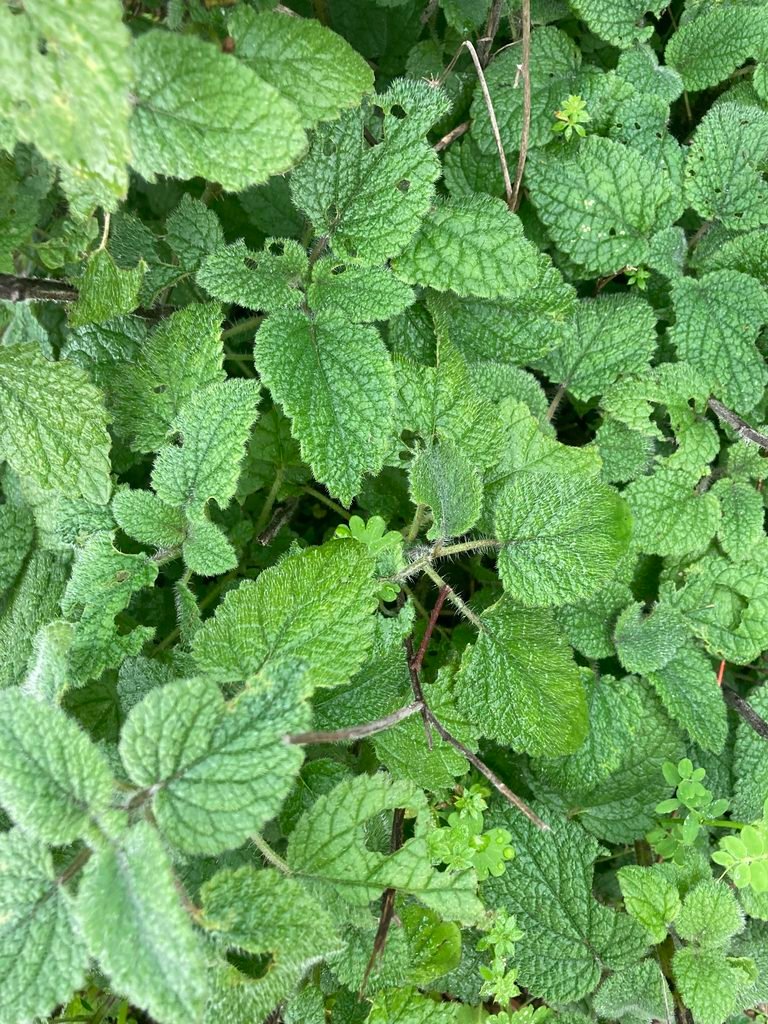
It is a member of the mint family and produces a distinctive lemon-mint fragrance.
Key Profile
Lemon balm has bright green, somewhat crinkled leaves and a refreshing citrus-like aroma. Rub a leaf gently between your fingers and the lemon scent becomes much more noticeable.
Bees and other pollinators are naturally attracted to its flowers, making it an interesting plant not only for foragers but also for anyone interested in the wider ecosystem.
Traditional Uses and Potential Benefits
Lemon balm has a long history of traditional use for relaxation and digestive discomfort.
Modern research has investigated its potential effects on anxiety, mood, sleep, and cognitive performance. Some studies suggest that lemon balm may have calming properties, although the strength of the evidence varies depending on the preparation and the condition being studied.
Traditionally, lemon balm tea has been used for:
- Relaxation and occasional nervous tension
- Supporting restful sleep
- Digestive discomfort associated with stress
- General calming and well-being
It is one of those plants that is particularly enjoyable to discover in the wild because its identity can often be supported by its distinctive lemon aroma, although smell alone should never be used as the only method of identification.
A Note on Safety
Although mountain tea, thyme, and lemon balm are generally familiar traditional herbs, “natural” does not automatically mean risk-free.
People with allergies to plants in the Lamiaceae family should exercise caution.
Thyme and concentrated thyme preparations may interact with certain medications or affect bleeding or blood pressure in some circumstances. Lemon balm may also interact with certain medications, including some drugs affecting thyroid function or those with sedative effects.
Pregnant or breastfeeding women, children, and anyone taking prescription medication should consult a healthcare professional before using concentrated herbal preparations regularly.
And remember: there is a major difference between enjoying a cup of traditionally prepared herbal tea and taking a concentrated herbal extract or essential oil.
Learn the Plants Around You
Learning about herbs and wild edibles is about much more than finding something free to eat.
When you are scouting a new hunting area, you are already paying attention to the terrain. You are looking for game trails, tracks, bedding areas, water sources, food sources, and good places to establish a camp.
Start looking at the plants, too.
Learn which ones grow in the open fields, which prefer rocky slopes, which appear in spring, and which remain visible through the winter. Learn what the plants look like at different stages of growth and, just as importantly, learn their poisonous look-alike.
Over time, a familiar piece of woodland becomes much more than a place to hunt.
It becomes a living landscape where every plant, tree, animal, stream, and rock tells you something about the environment.
The knowledge of the herbs and wild edibles in our area offers many benefits—from having a pantry of natural foods and traditional herbal remedies to developing a much better understanding of the nature around us.
The next time you head into the woods to scout for game, take a closer look at what is growing under your feet. You may discover that the forest has much more to offer than you realized.
https://en.wikipedia.org/wiki/Siderite